




- Customer Case Example 2024/04/10 UP
-
Fujii Kenma Co., Ltd.
Aiming to become the top local factory using robots

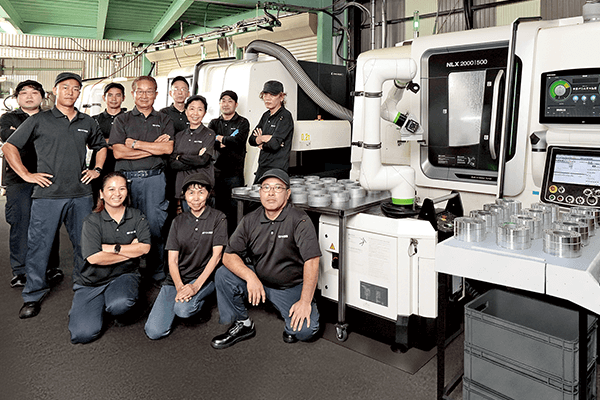
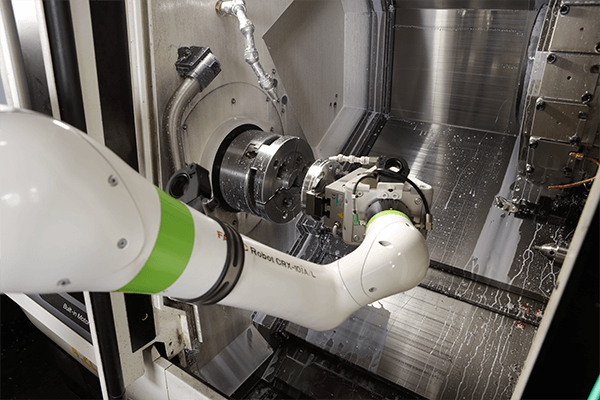
Founded in 1970, Fujii Kenma Limited specializes in machining metal parts for products such as automobiles, farm equipment, and heavy machinery. Its headquarters factory is located in Kato City, Hyogo Prefecture. Its turning centers and machining centers are operated by ten technicians to produce the wide range of workpieces requested by their customers. The company added its first MATRIS Light robot system in May 2022, in order to automate processes. This significantly increased productivity, and so the company added two more MATRIS Light systems equipped with optional vision cameras six months later.
Robots could be added without needing to alter the factory layout
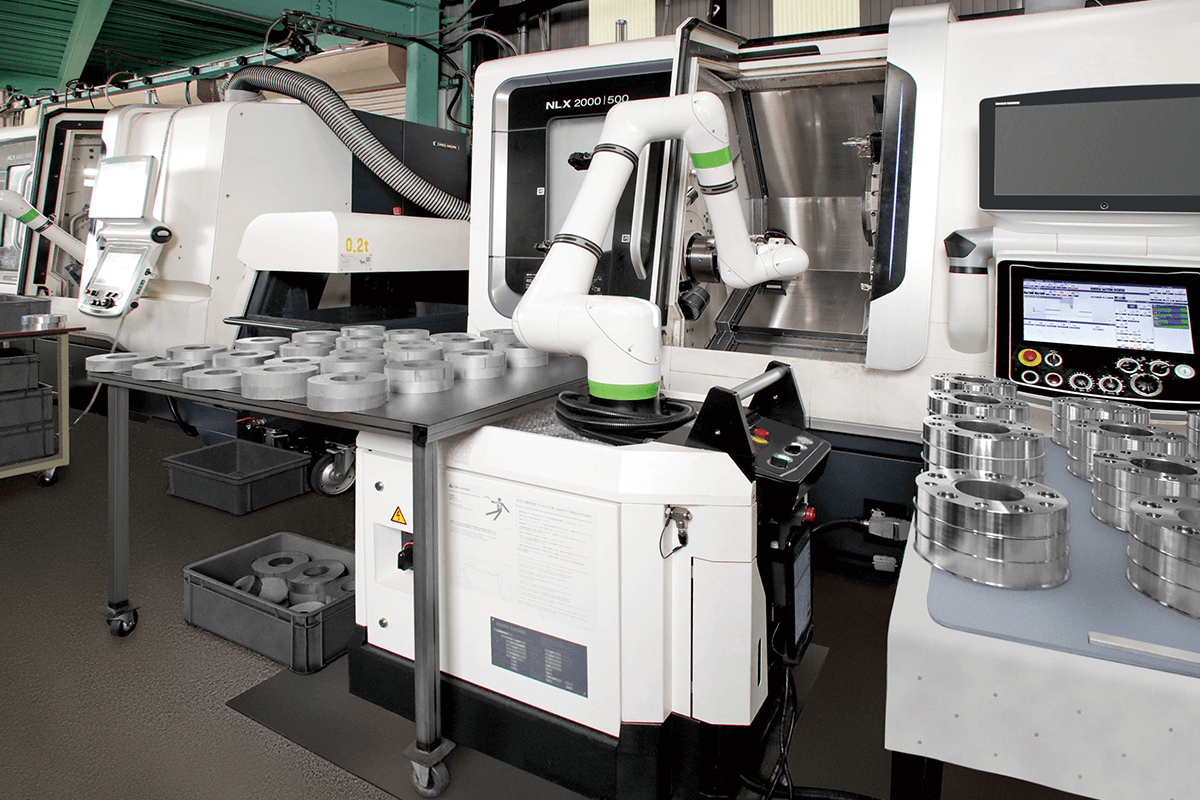
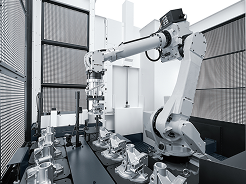
This table was designed with a height that would allow the MATRIS Light hand cart to fit under it, saving space
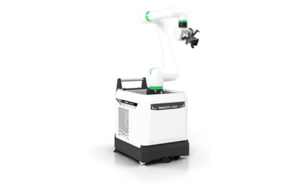
MATRIS Light is compact and requires no safety fence
Akihiro Fujii, senior managing director at Fujii Kenma, explained why they decided to purchase three MATRIS Light systems. "We used to produce many of our products using separate processes performed on multiple machines. We also had a turning center installed in order to combine processes, but weren't seeing the increase in productivity we wanted. A single employee taking a sick day off would delay our schedule, and so we had to work overtime to meet our deadlines. We finally realized that the only way to completely solve this issue would be to automate some processes with robots."
MATRIS Light has doubled their productivity, from around 1,500 pieces per month to 3,000 pieces. They were also able to eliminate human error and reduce operator training costs. "We can now focus on the type of creative work that only people can do," explains Mr. Fujii. "We looked at robots from other companies, but they require installing fences as safety measures, and we would have had to change the layout of our existing equipment. However, MATRIS Light is a collaborative robot that doesn't require a safety fence, so all we had to do was place it in front of our turning center. Changing the factory layout would have been a lot of work and cost a lot of money, so MATRIS Light was really the perfect robot system for us."
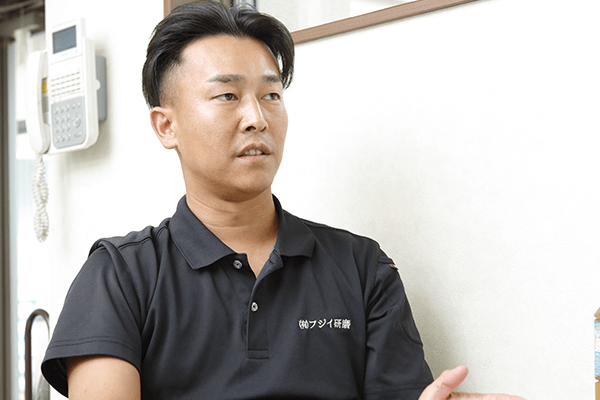
Fujii Kenma Co., Ltd.
Senior Managing Director
Akihiro Fujii
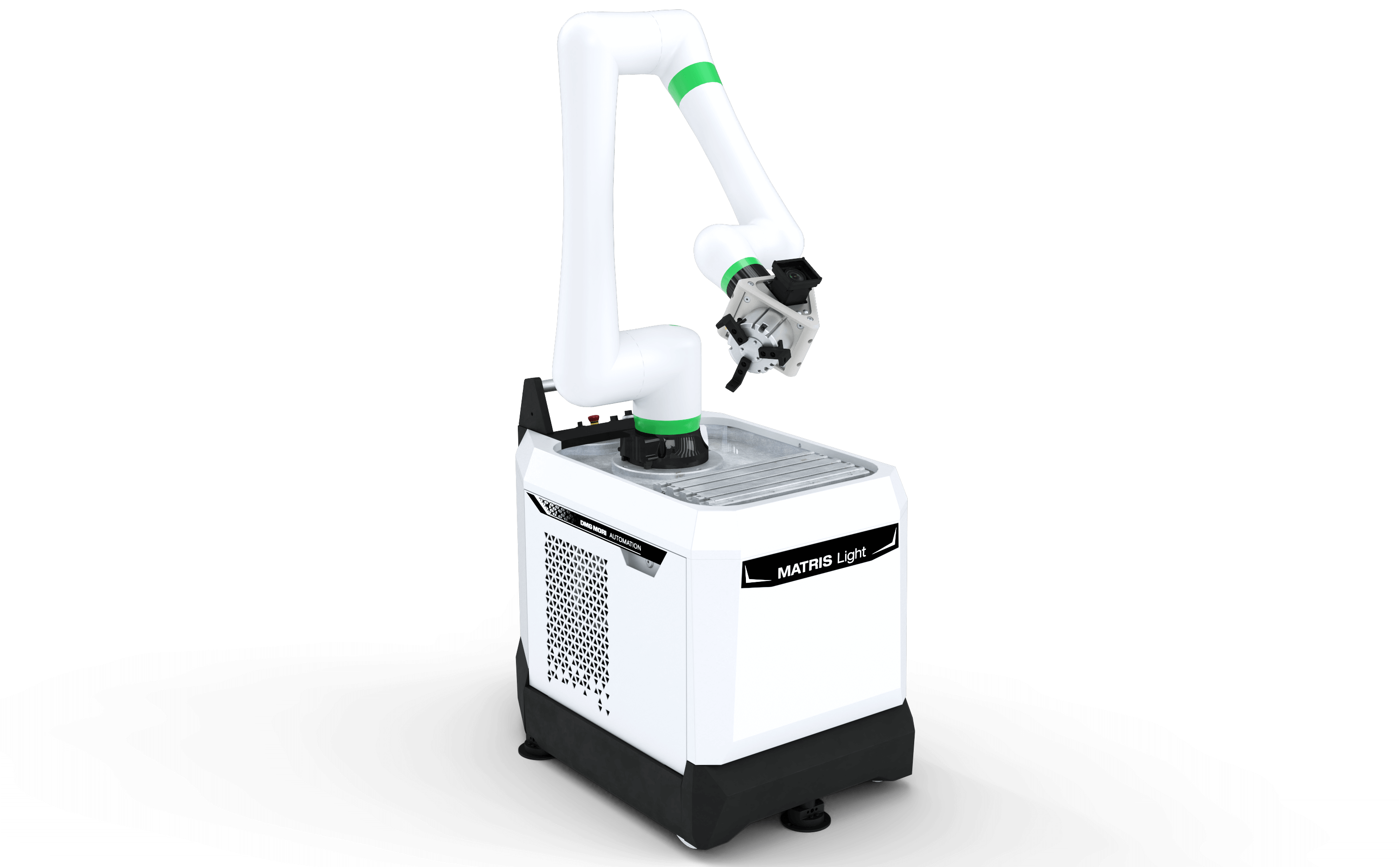
MATRIS Light
can be trained
to become even smarter
and meet our expectations.
It doesn't need to sleep at night,
we don't have to pay it to work overtime,
and it produces the expected quantity every morning.
MATRIS Light
An automation system
that can easily be setup and is among the most compact in the industry
- A robot system that can be freely moved about with the robot and workpieces loaded on the hand cart
- A collaborative robot with no need to install fences
- Robot can be introduced into processes, with no major changes to equipment required
- Direct teaching makes it easy to perform teaching without requiring any specialized knowledge of robot operation
Doubling productivity, delivering products ahead of schedule, and taking on new projects
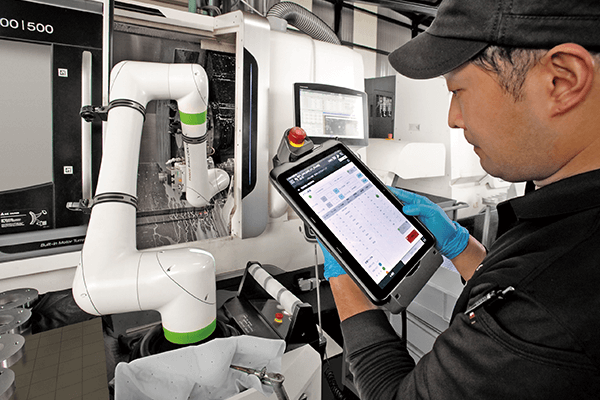
Settings can be easily configured using the tablet
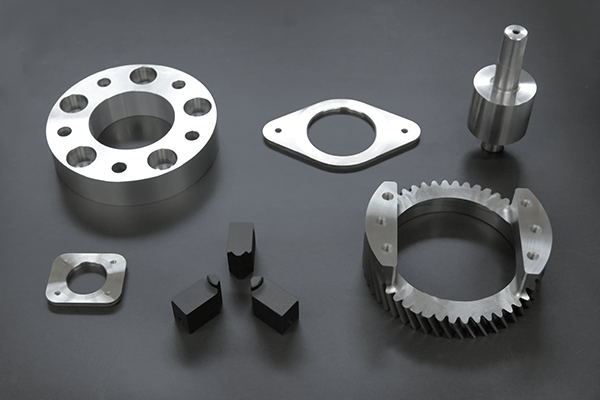
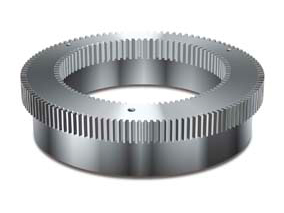
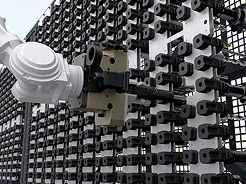
Major examples of machined workpieces; The jaws used to hold workpieces in place are also custom-made pieces
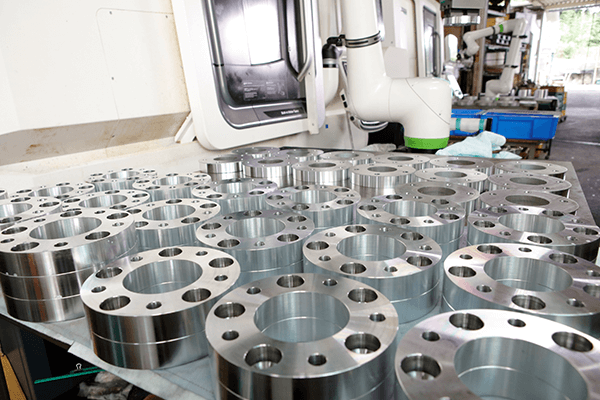
Machined workpieces stacked up for continuous long-duration operation
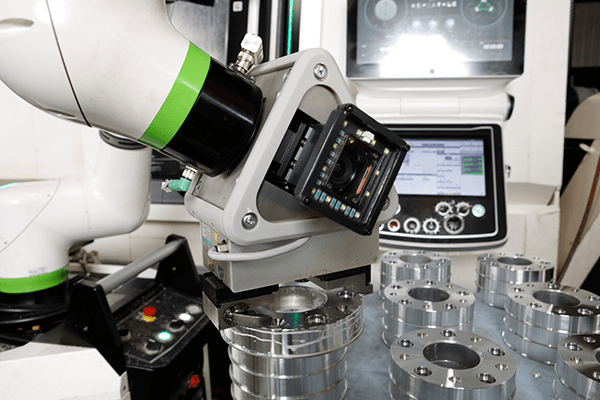
The system is equipped with a vision camera, allowing it to automatically detect the locations of workpieces and adjust the movement of the arm, to continue production even if workpieces are somewhat misaligned
Creative measures taken for 24-hour operation of MATRIS Light
Fujii Kenma uses MATRIS Light to automate the transfer of various workpieces. Although they were originally told that the MATRIS Light robot system is not designed for 24-hour operation, they implemented some creative measures to maximize the benefits of robot automation, and were able to achieve nearly 24-hour operation. One such measure was to design their own table to hold workpieces prior to machining, instead of the standard workpiece storage. "We designed the table so that the MATRIS Light hand cart could fit under it, and so that we could stack workpieces through as much of the area in which MATRIS Light robot arm operates as possible, from in front of the table to the opposite edge. The factory floor has a slight gradient for drainage, so we also adjusted the height of the table at both ends to the millimeter level, so that the robot arm can reliably grab and load workpieces." The two MATRIS Light systems the company subsequently added are equipped with optional vision cameras, which automatically detect the locations of workpieces and adjust the movement of the arm, even if the table is moved slightly. In this way, the company has been able to combine its own creativity with the latest features of MATRIS Light to automate workpiece production and ensure that MATRIS Light continues to operate even at night when no one is around.
Training and using robots for further automation
Mr. Fujii described the benefits of MATRIS Light. "It's easy to operate, and that includes teaching, too. Once it's taught, it will continue to do the same job perfectly. MATRIS Light can be trained to become even smarter and meet our expectations. It doesn't need to sleep at night, we don't have to pay it to work overtime, and it produces the expected quantity every morning. We're completely happy with MATRIS Light." Mr. Fujii plans to add more MATRIS Light systems, and ultimately to have robots handle all workpiece transfer work at the production site. He wants his employees to focus on work that only people can do, so that they can develop their skills and take on more challenging work. Fujii Kenma will continue its automation efforts, with the goal of becoming "the top local factory using robots."
Note: Organization names and titles are current as of publication timing.
This content is for members only